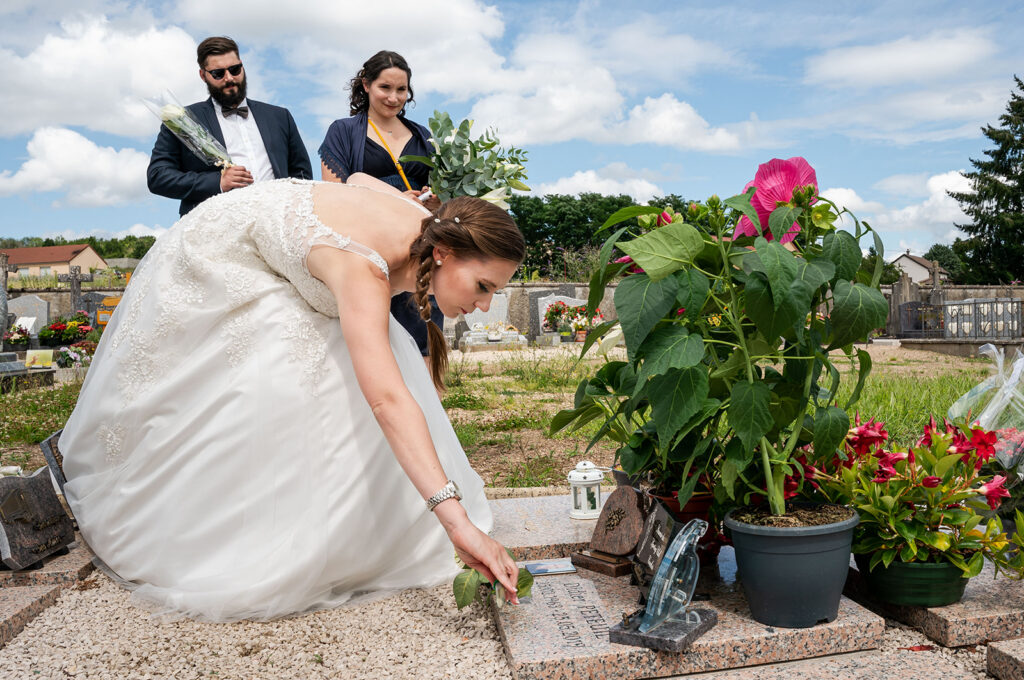
I stopped by the cemetery on my way to our ceremony location to leave flowers on my father’s grave. It felt natural to do it and make him part of my day.
I lost my father before I could plan my wedding with him. That’s a sentence I’ve had to sit with for a long time. He should have been there, helping me make decisions, walking me down the aisle, embarrassing me on the dance floor. And while I’ve found ways to carry him with me on my wedding day, I won’t pretend that planning around his absence has been easy.
I’m writing this post for every couple who knows that feeling. The seat that will be empty, the name you’ll say quietly to yourself before you walk out, the moment during the father-daughter dance when you hold it together, or don’t.
Over the years, I’ve photographed hundreds of weddings in Washington DC and the surrounding area, and I’ve seen couples honor their lost loved ones in ways that were quiet, personal, and deeply moving. Some of them made me cry behind my camera, all of them were worth capturing.
Here are the most meaningful ways to do it, organized by when in the day they happen, so you can plan intentionally.
Before the Wedding: Honoring Them in What You Wear
The most intimate tributes happen close to the body. These are the details that only you and the people nearest to you will fully understand.
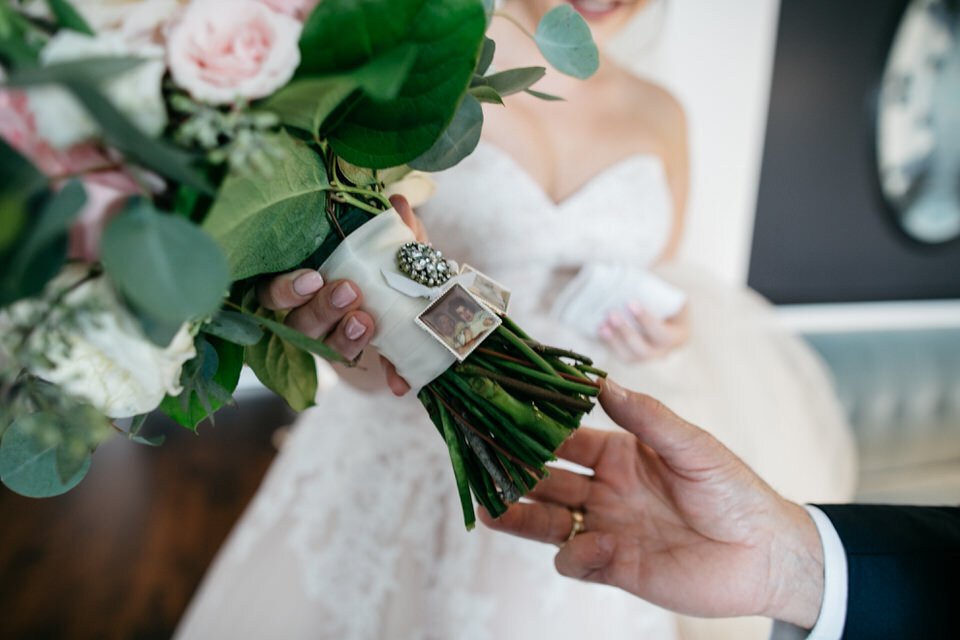
Wear something of theirs. One of my couples, Amanda, tucked small photo lockets of her grandparents into her bouquet. I watched her parents see it for the first time; that moment is one I’ll never forget photographing. A piece of jewelry, a father’s tie, a grandmother’s cufflinks, a ring worn on a different finger. These small things carry enormous weight.
Use their wedding dress, or a piece of it. If you have access to a parent’s or grandparent’s wedding dress, consider wearing it, or having a seamstress incorporate a piece of the fabric into your own gown, as lining, a sash, or something embroidered into the hem. You’ll know it’s there even if no one else does. In this photo, you can see that Jocelyn used her grandma’s dress to create a hairpiece.

Carry their flower. Choose a bloom that was meaningful to them and incorporate it into your bouquet or boutonniere. It’s a subtle way to say their name without saying it out loud. Meghan Markle carried forget-me-nots in her bouquet, flowers grown in Princess Diana’s memory at Kensington Palace. You don’t need a royal garden, you just need to know which flower was theirs.
A note to your photographer: Tell me about these details before the wedding day. I’ll make sure to photograph them (the locket, the fabric, the flower), so you have those images to keep.
During the Ceremony: Making Space for Their Presence
This is the part that requires the most thought, because it’s the most public. You’ll want to consider your own emotional capacity on the day, and check in with close family members who may be particularly sensitive.
There’s no single right way to do this. Here are the options I’ve seen work well: choose what fits your personality and the tone of your ceremony.
Reserve a seat for them. An empty chair at the front of the ceremony, marked with a photo, flowers, or a small candle, is one of the most visible ways to acknowledge who is missing. Some couples find it comforting, I know I did. Others aren’t sure they can look at an empty chair without losing it. Only you know which one you are.

Include them in the ceremony program. An “In Loving Memory” section in your program is quiet, dignified, and gives guests a moment to acknowledge the loss alongside you. Here are a few wording options you can adapt:
“In Loving Memory of [Name]. You are forever in our hearts.”
“We light a candle in memory of those who cannot be with us today, but who are with us always.”
“Dedicated to all the love that came before us.” (This was Ben and Michela’s — I loved it.)
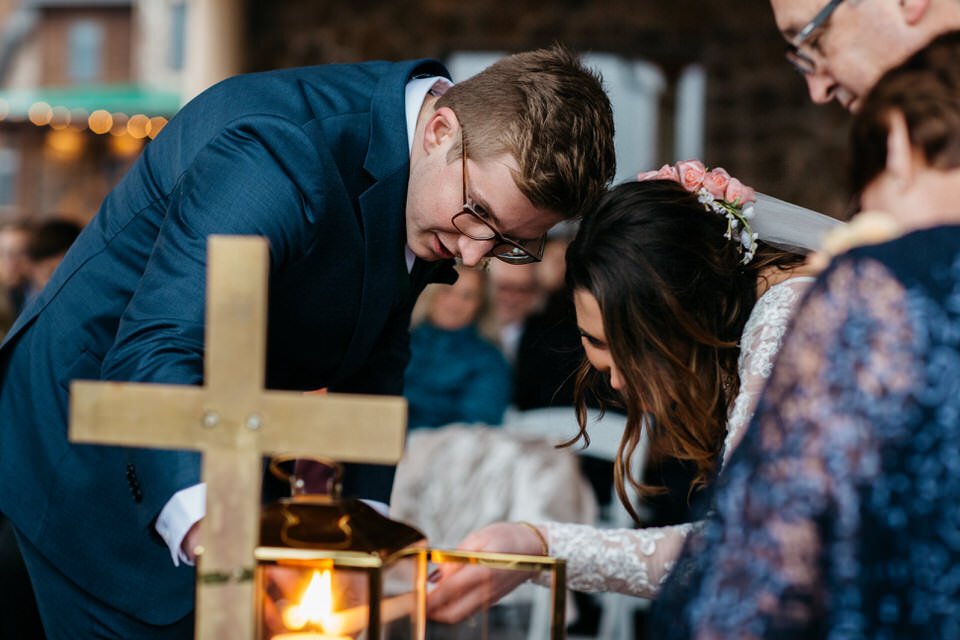
Light a memorial candle. A candle lit at the start of the ceremony, by a family member, or as part of a moment led by your officiant, is a gentle, inclusive way to honor multiple people at once. It doesn’t require anyone to speak. It just holds space.
Ask your officiant to acknowledge them. A brief mention by name, woven naturally into the ceremony, can mean everything. Give your officiant the names and a sentence about who they were. A good officiant will know how to hold it with care.
A note on grief during the ceremony: You may cry. You may be surprised by when it hits you. That’s not something to manage or prevent, it’s something to photograph. Some of the most powerful images I’ve ever taken were of a bride composing herself before she walked out, or a groom quietly pressing his hand to his heart.
At the Reception: Keeping Them in the Room
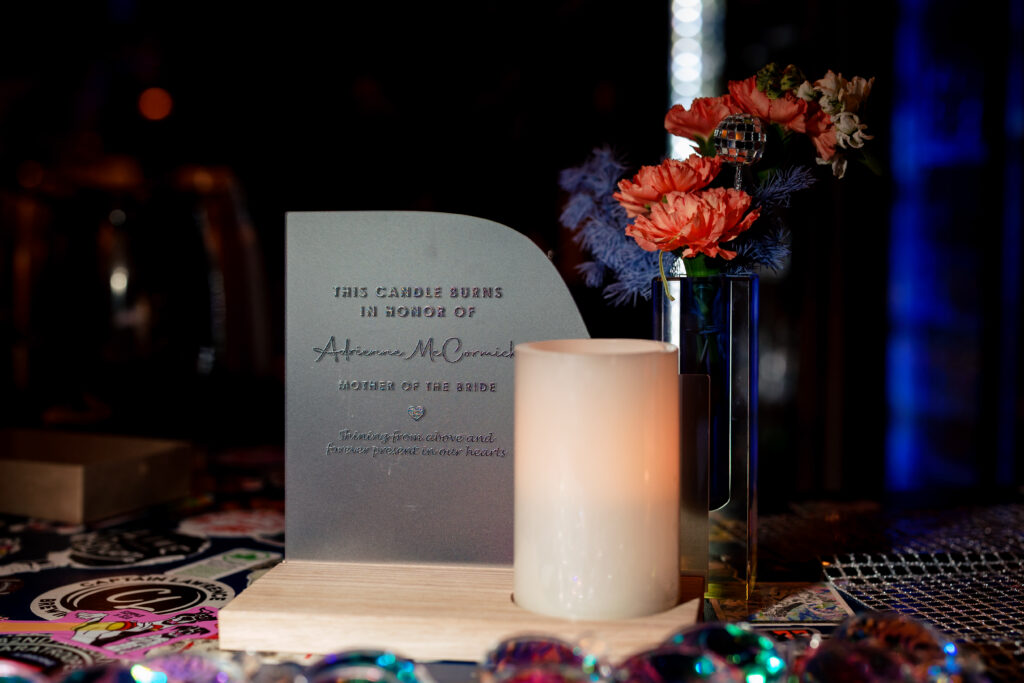
The reception is where you have the most creative freedom, and where their presence can be woven through the whole evening rather than concentrated in a single moment.
Create a memory table or photo display. For their wedding, Ben and Michela set up a beautiful display of photos of loved ones who had passed, with the words “Looking down from Heaven.” They also included old wedding photos; both their grandmothers had lost their husbands, and seeing those old images of their own weddings was a gift. A memory table doesn’t have to be somber. It can be a celebration of the people who shaped your family. Carly had a candle for her mother, who passed away before her wedding.
Acknowledge them in the speeches. If someone is giving a toast, ask them to include a brief mention. Or, if you’re comfortable, say their name yourself. You don’t need a long tribute; sometimes, just saying “I wish [Name] could be here tonight” is enough.
Toast with their drink. Did your grandfather always drink bourbon? Did your mother have a signature cocktail? Including their favorite drink on the bar menu, with a small label explaining why, is a subtle, joyful way to include them. Raise a glass in their honor during the toasts.
Dance to their song. If there was a song they loved, or a song that reminds you of them, consider using it for one of your dances. You don’t have to explain it to your guests. You’ll know.
Incorporate something they loved. A favorite food at the dessert table. A game they always played at family gatherings. A tradition from their culture or faith. These details make a wedding feel like it belongs to your whole family, not just the two of you.
A Word on Getting Through the Day
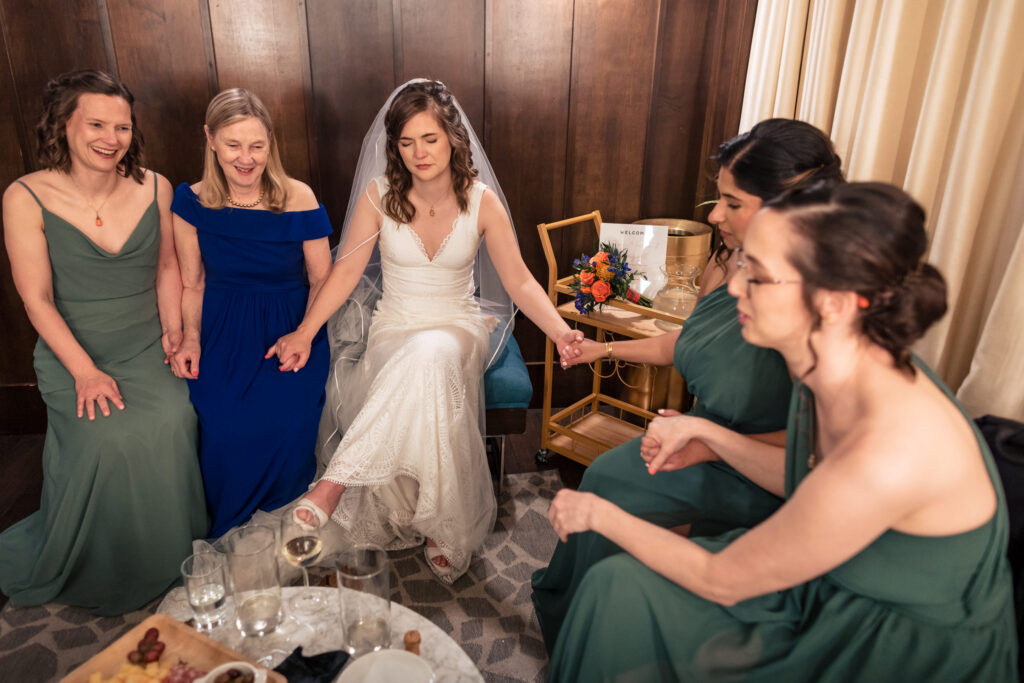
They all prayed for the bride’s mother, who passed away before the wedding.
Here is something no one told me before my own wedding: grief doesn’t follow a schedule.
You might feel fine all morning and then completely fall apart when a particular song plays. You might hold it together through the whole ceremony and then cry alone in the bathroom for five minutes before you walk into the reception. You might feel a strange, unexpected lightness, almost guilt, when you realize you’re genuinely happy. All of it is normal, and all of it is allowed.
Permit yourself to feel whatever comes; tell your partner in advance that there may be a moment when you need five minutes. Ask a trusted friend or family member to be your quiet anchor if you need one.
And know that the people who love you will understand. They’re missing someone, too.
How I Can Help
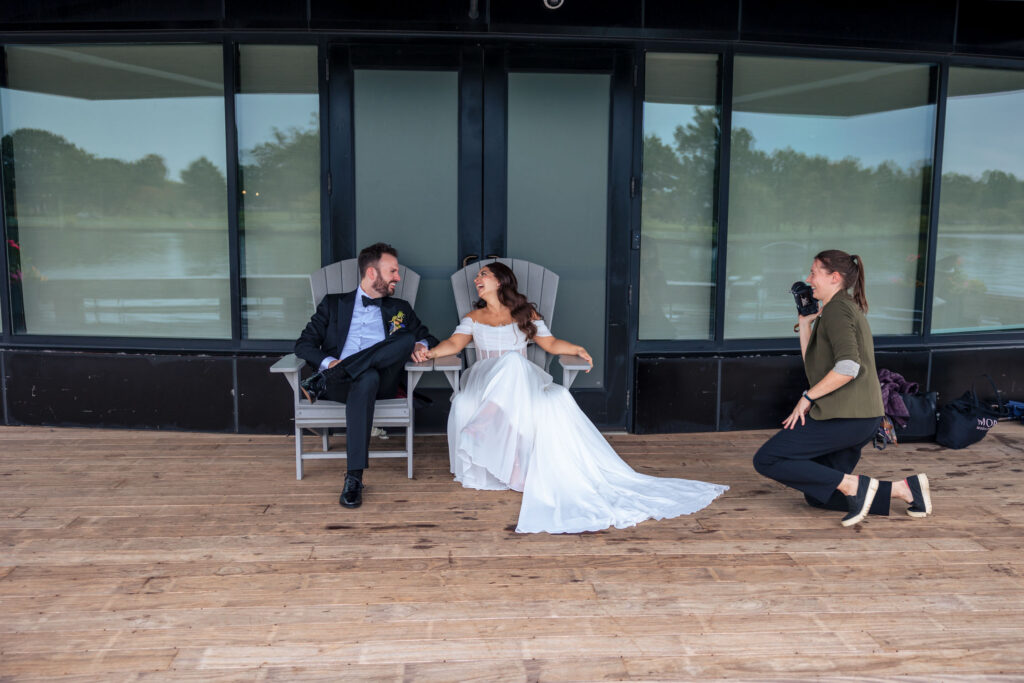
As your photographer, I want to know about the people you’re honoring before the wedding day. Tell me their names, tell me what they meant to you, or which moments during the day will carry the most weight.
That way, when you pause at the memory table, or when your mother pins on the boutonniere your father would have worn, or when you look up during the first dance and just for a second you feel their absence and their presence at the same time, I’ll be ready. Those are the images you’ll return to most, and I want to make sure you have them.
If you’re in the early stages of planning and want to talk through your wedding day, I’d love to hear from you →