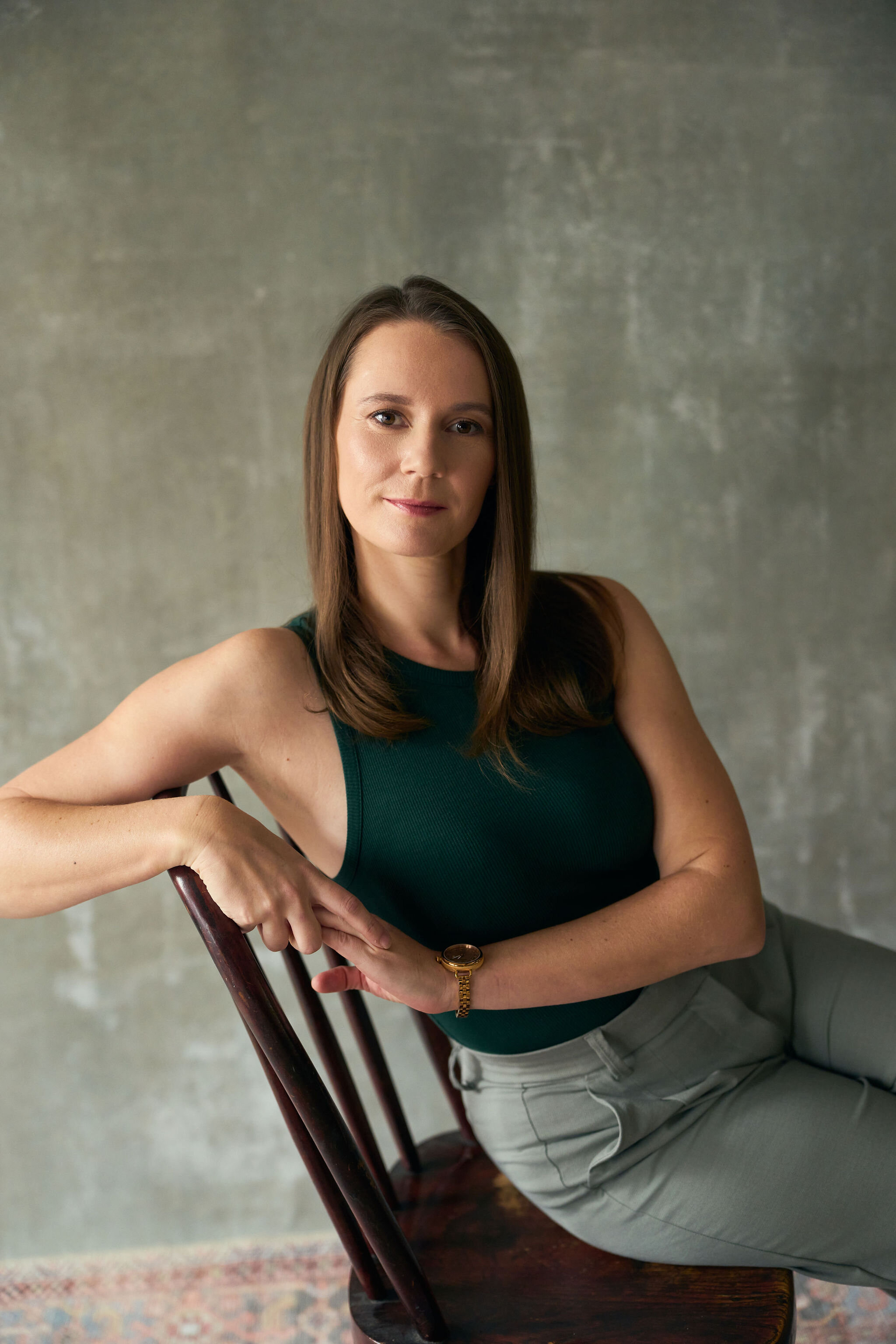
Real moments, told honestly, by a former journalist behind the camera
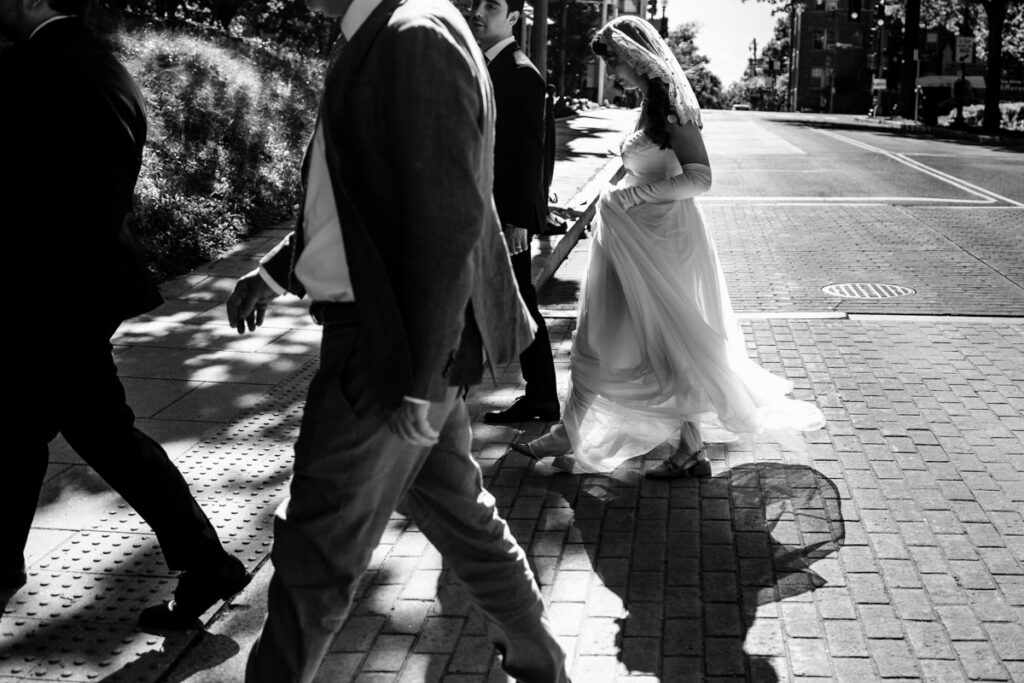
If you’re searching for documentary style wedding photography in DC, you’re probably one of two kinds of couples. Either you’ve been to a wedding where the photos felt stiff and posed, and you want the opposite, or you already know you don’t want to spend your wedding day being directed. Both are the right instinct. Documentary style photography exists so your day looks and feels like it actually happened, not like a performance for the camera.
I spent 15 years as a journalist before I picked up a camera for weddings, and that background shapes everything about how I work. I’m currently ranked among the top 120 wedding photojournalists in the world by the Wedding Photojournalist Association, and that ranking exists for exactly this reason: observing and capturing real moments as they unfold, without staging them.
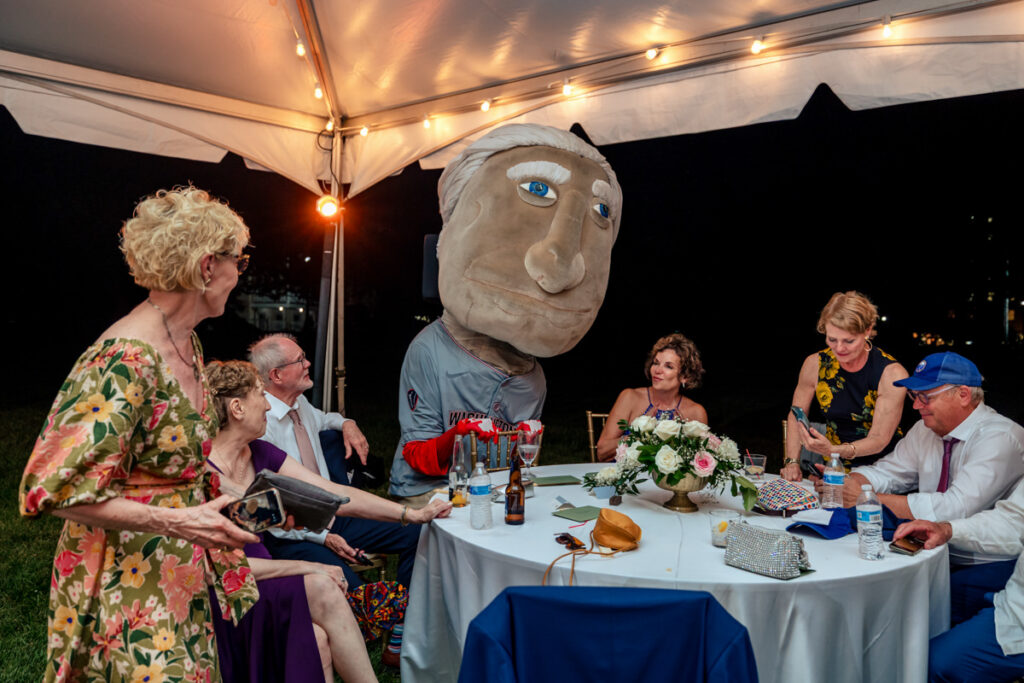
What Documentary Style Wedding Photography Actually Means
Documentary style wedding photography means I photograph your day as a reporter would cover a story. I’m watching for real interactions, raw reactions, and honest emotion, and I capture them as they happen instead of asking you to recreate them for a better angle. There’s no “look this way and laugh together” moment. If you laugh together, I’m already there.
This doesn’t mean there’s no structure to your day at all. It means the structure exists to give me the best chance at capturing real moments, not to manufacture fake ones. I still plan timelines carefully, know where the light will be best, but I just don’t ask you to fake a moment so it photographs better.
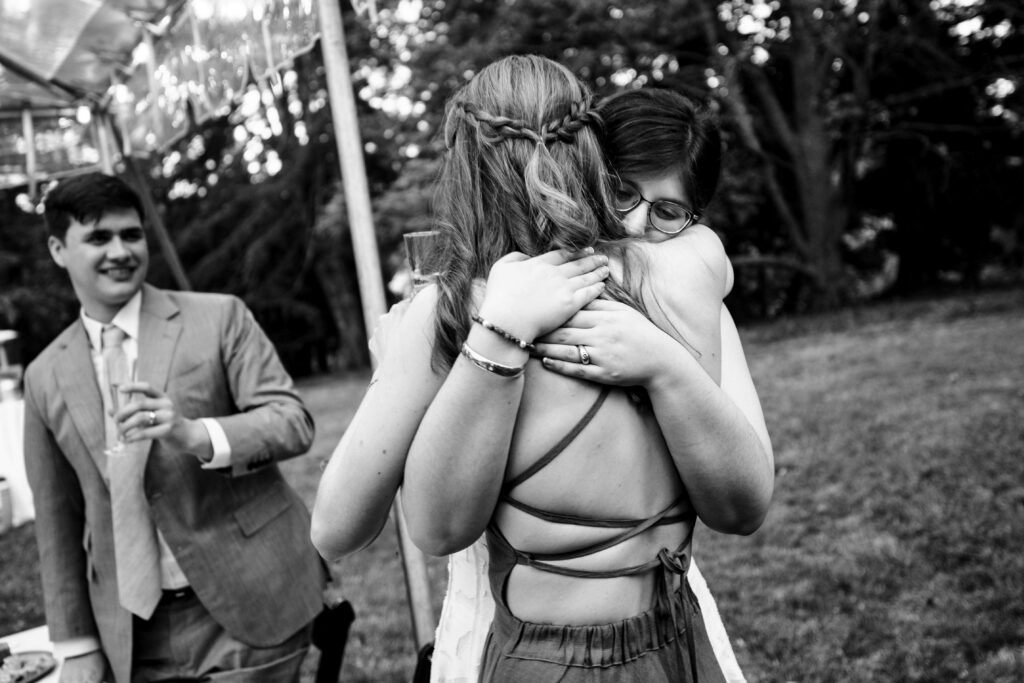
Documentary vs. Traditional Wedding Photography
| Documentary Style | Traditional / Posed Style |
|---|---|
| Photographer observes and captures moments as they happen | Photographer directs poses and expressions |
| Minimal interruption to your day | Scheduled posed portrait sessions throughout the day |
| Photos reflect genuine emotion and relationships | Photos reflect a curated, polished look |
| Family formals kept short and efficient | Family formals often extensive with many combinations |
Most couples don’t want one style or the other completely. They want mostly documentary coverage with a short, efficient stretch of formal portraits so grandma gets her photo with the two of you. That’s how I approach nearly every wedding I shoot.
Real Weddings, Real Documentary Moments
The best way to understand documentary style photography is to see how it actually plays out on a real wedding day. Here are three couples who each approached it a little differently.
Christine and Camilo: All In on Documentary, Start to Finish

Christine and Camilo didn’t want a single posed portrait. From getting ready through the reception, they wanted the day photographed exactly as it happened, low-key and unscripted. We kept formal family photos to just 15 minutes, and that was the only structured portion of the entire day. Everything else was pure observation. It’s one of the clearest examples of what fully documentary coverage looks like when a couple commits to it completely. See their wedding at the National Cathedral School here.
Nia and Oliver: Centering Family in Every Frame
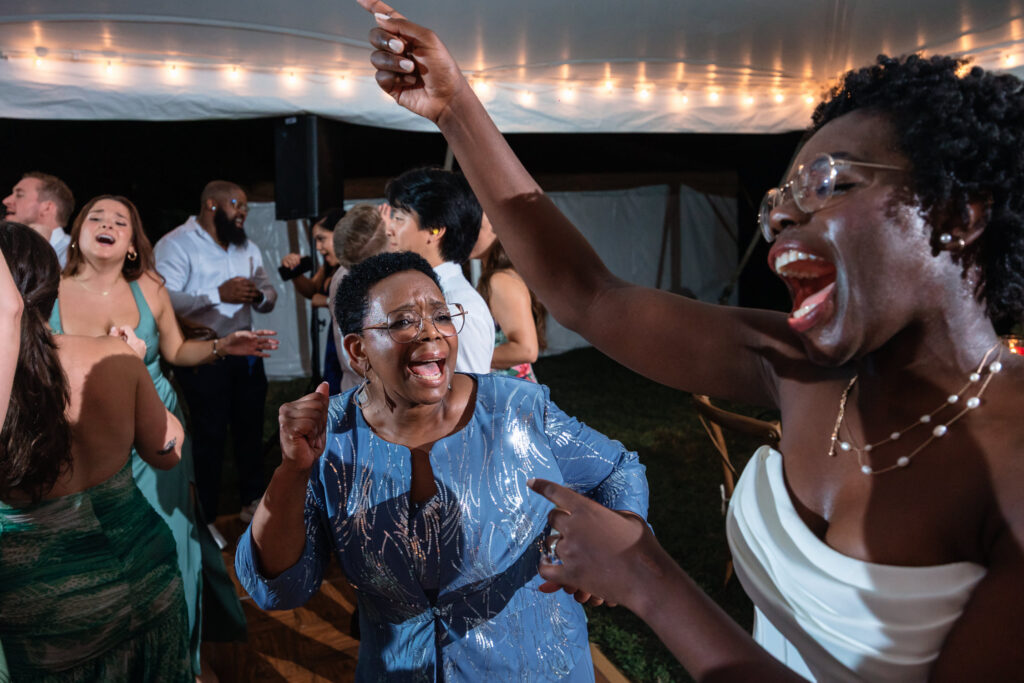
Nia and Oliver’s priority was their family. Rather than treating family photos as a box to check, they wanted their parents, siblings, and relatives woven into the story of the day itself, not just posed together for five minutes and set aside. Documentary coverage let me capture the real warmth between them and their families throughout the day, not just in a formal lineup. See their backyard wedding in Maryland here.
Claire and Jake: A Non-Traditional Day at The Hendry House
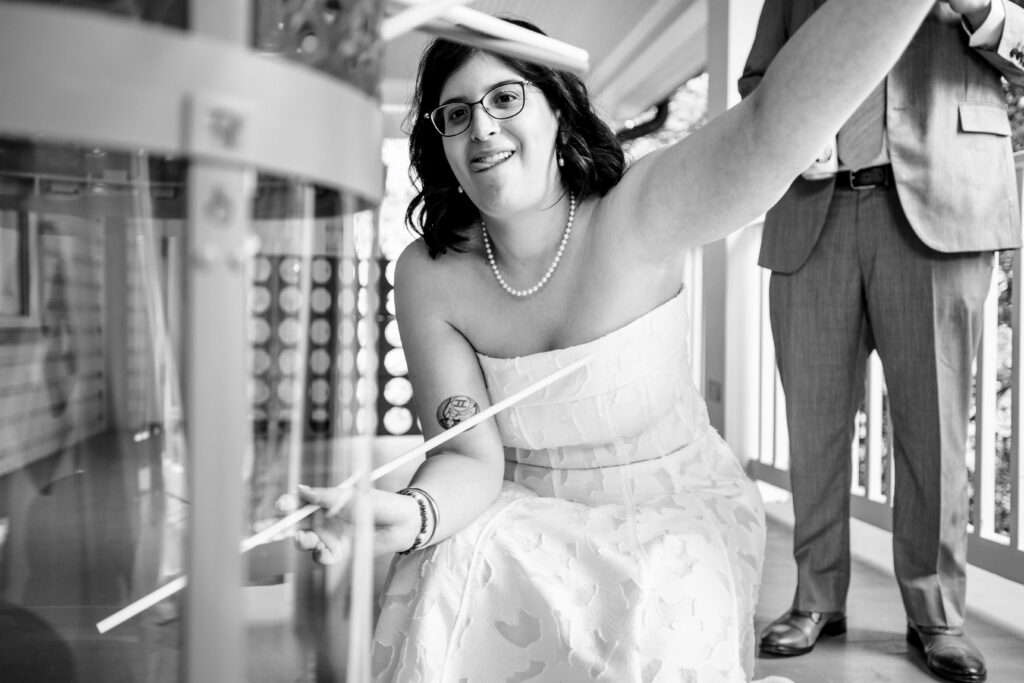
Claire and Jake skipped a dance floor entirely in favor of lawn games at their Hendry House wedding. It’s a good example of how documentary photography adapts to whatever a couple’s day actually looks like. When your wedding doesn’t follow the traditional script, documentary coverage is what makes sure the alternative version gets told well. See their full wedding story here.
What to Expect on Your Wedding Day
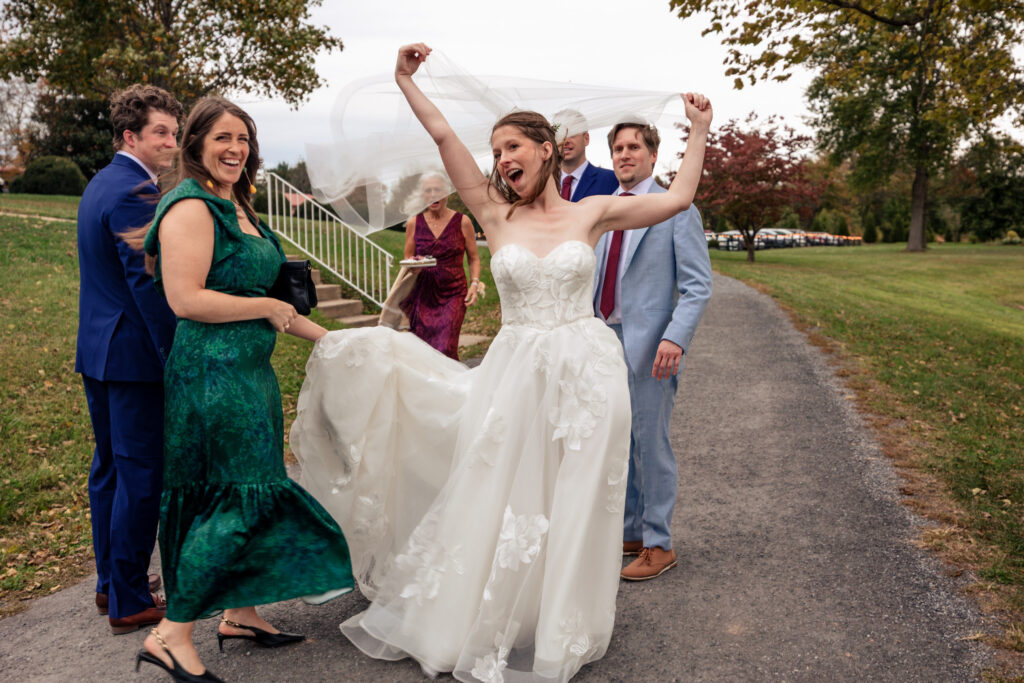
Couples who choose documentary coverage often ask what their timeline looks like without a heavy schedule of posed portraits built in. Here’s the honest answer: it’s simpler than you’d think.
- Getting ready: I photograph this candidly, capturing real conversations and nerves rather than staged detail shots.
- Ceremony: Fully observational. I position myself to capture genuine reactions without becoming part of the moment.
- Family formals: Kept short and efficient, usually 15 to 20 minutes, so you’re not losing time you could spend with your guests.
- Reception: This is where documentary style really shines. Toasts, dancing, and candid conversations are captured as they unfold.
Frequently Asked Questions
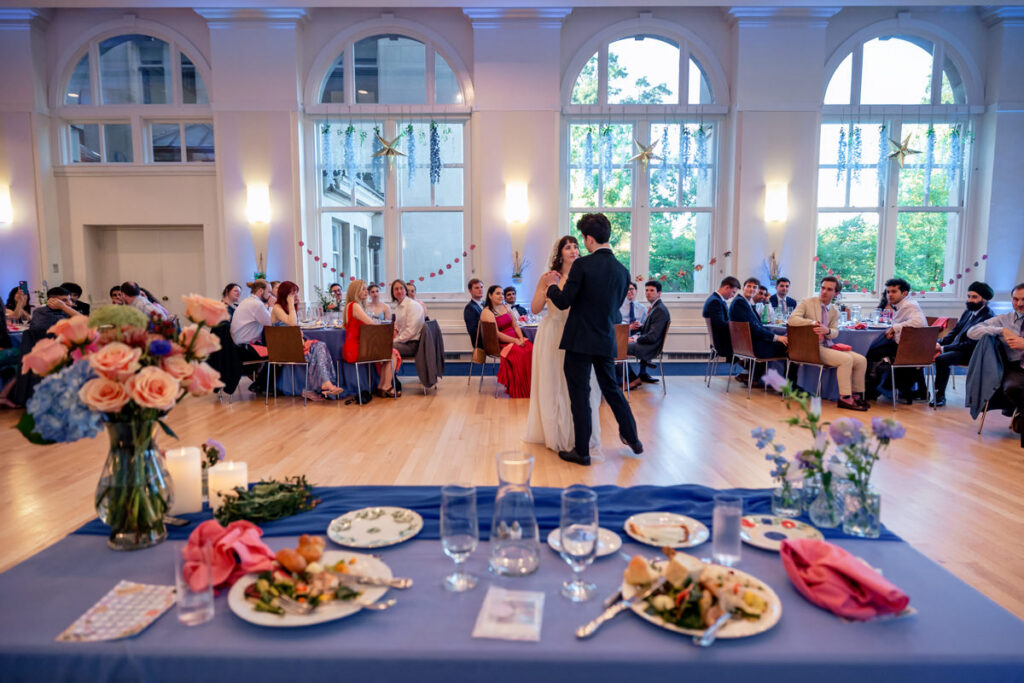
Will I get any posed photos at all? Yes. Documentary style doesn’t mean zero posed photos. It means posed photos are the minority, not the majority, of your gallery. Most couples still want a handful of intentional portraits of just the two of them, and we build time for that into the day.
How is documentary different from photojournalistic wedding photography? In practice, these terms are usually used interchangeably. Photojournalistic wedding photography borrows its name and approach directly from news photography, which is exactly where my own background comes from after 15 years as a journalist.
Do you still direct anything during the day? I give logistical guidance, like where to stand for good light or how to time the exit, but I don’t direct expressions or ask you to recreate a moment. The goal is always to capture what’s real.
What areas do you serve? I photograph weddings throughout Washington DC, Maryland, and Virginia.
What does documentary wedding photography cost in DC? Most couples invest between $5,000 and $6,500 for a full day of documentary coverage. That typically covers about 10 hours with two photographers, an engagement session, sneak peeks within a few days of the wedding, and a four-week gallery turnaround.
How many photos will I actually get? I aim for about 75 photographs per hour of coverage. For a 10-hour wedding day, that comes out to around 750 final images from a single photographer, with more when a second photographer is added.
Do you shoot film as part of documentary coverage? Yes. About a quarter of what I shoot during a wedding is on film, blended with digital coverage throughout the day. Both support the same goal: capturing real moments as they happen.
Do I need a second shooter for documentary coverage? Not always. Adding a second photographer is a real added cost, and more hours with one photographer usually beats fewer hours split between two. A second shooter matters most when you and your partner are getting ready in two separate locations, since one photographer can only be in one place at a time.
Does documentary style work at any venue? Yes. Documentary coverage isn’t tied to a specific type of venue, from backyard weddings to historic ballrooms, because it’s built around how I photograph rather than where. It works anywhere a couple wants their day captured as it actually happened.
Ready to Talk About Your Wedding Day?
Let’s talk about what documentary coverage would look like for your wedding. Get in Touch
Read more:
 Why Your Wedding Album Is the Best Investment You’ll Make After the Wedding
 Should You Have an Unplugged Wedding? Tips, Wording + What to Expect
 How to Honor Passed Loved Ones at Your Wedding (Written From Experience)
 Should You Do a First Look? An Honest Guide From a DC Wedding Photographer
 14 Most Romantic Restaurants in DC